Introduction
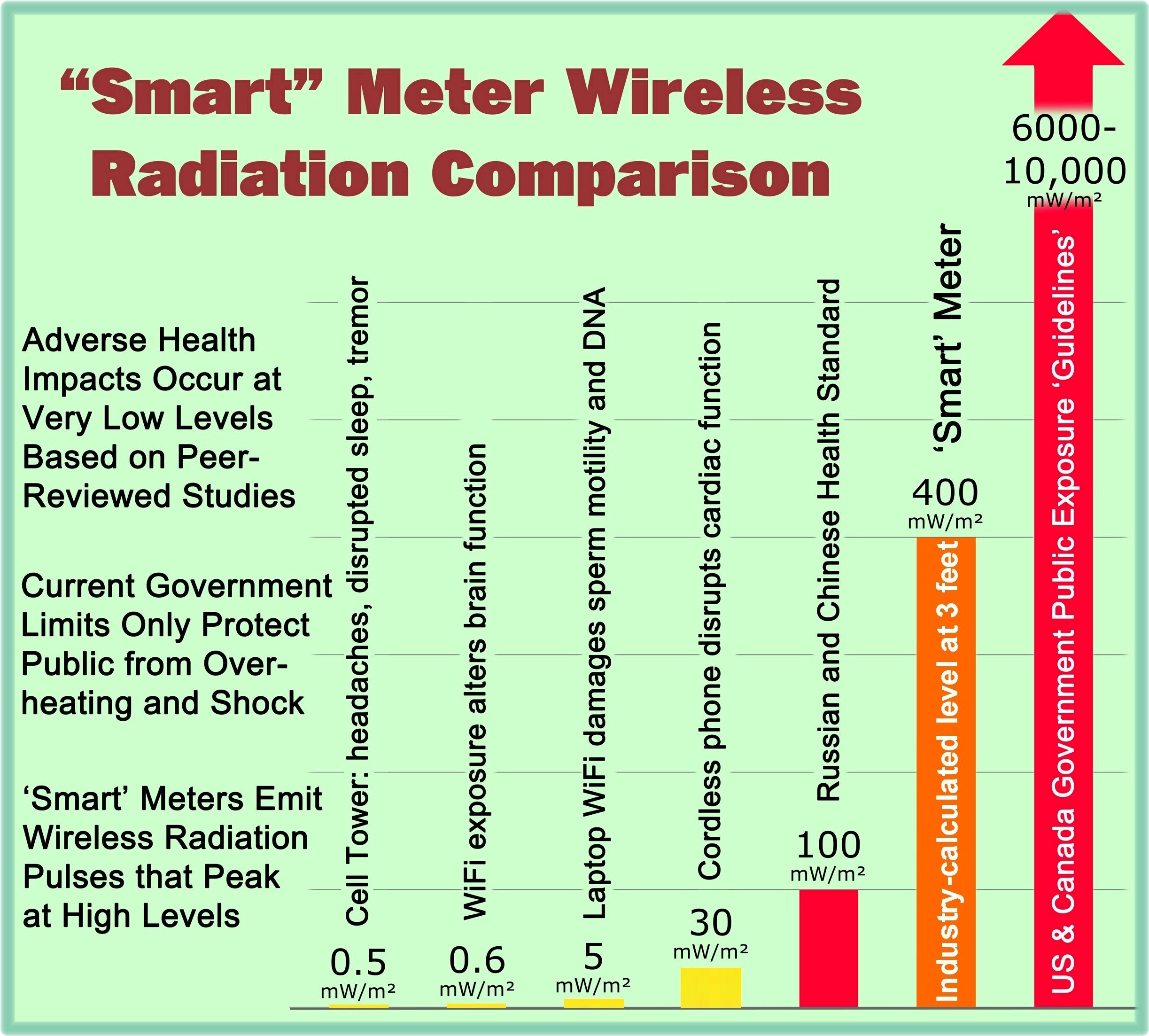
When you want to promote the safety of a product, it is common to compare the relative safety of “your” product as compared with other similar products. Unfortunately, you are sometimes forced to compare “apples with oranges” in these endeavors and depending on your level of bias and the assumptions that you make, two different organizations can arrive at completely different versions of reality. Such is the case where the smart grid industry has compared smart meter radiofrequency (RF) emissions with those of other common wireless devices in use by our society. Usually the most extreme comparison made is between smart meter exposures and cell phone exposures. This blog posting (and the associated PDF file) will provide a detailed analysis of one such example comparison.
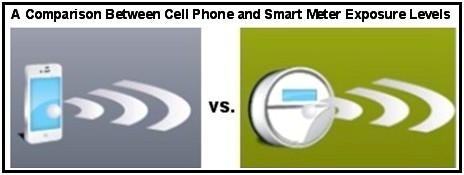
This blog posting will demonstrate, contrary to City of Naperville claims, that exposure to RF emissions from a smart meter over the course of a 24-hour period at distances of three (3) and ten (10) feet could easily exceed the exposure received from making a 3-minute cellular phone call.
 This blog posting summarizes and selectively quotes content of a paper entitled “Business Bias As Usual: The Case of Electromagnetic Pollution.” [1]
 Of particular interest to SkyVision Solutions is the passionate conclusion section of the brief prepared by Dianne Wilkins which describes the “dogma” of the thermal paradigm. As described in the brief, it is where utilities, in this case Central Maine Power (CMP), parrots “the dogma being adhered to by the FCC, IEEE and the power companies and dutifully repeated by numerous government and international agencies heavily influenced by the power companies.” Specifically, the dogma is: “There are no effects of RFR on living cells other than bulk heating of tissue at high levels of exposure.”
 In December 2013, the Massachusetts (MA) Department of Public Utilities (DPU) issued a
 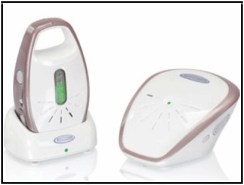 According to Dr. Devra Davis, “We need to protect children from wireless routers, baby monitors, and numerous other sources of microwave radiation that can affect the brains and bodies of infants and toddlers.” [Reference 1]
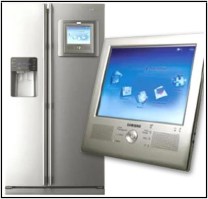 It has finally started, cyber attacks involving smart appliances such as televisions and refrigerators. Proofpoint, Inc. a leading security-as-a-service provider, has uncovered what may be the first proven Internet of Things (IoT)-based cyber attack involving conventional household “smart” appliances. The global attack campaign involved more than 750,000 malicious email communications coming from more than 100,000 everyday consumer gadgets such as home-networking routers, connected multi-media centers, televisions
  According to Dr. Alan R. Vinitsky:


 Smart Grid Awareness